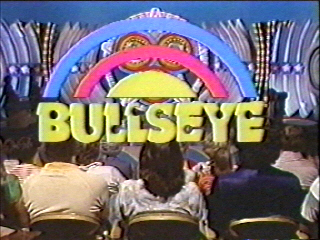
Bullseye: The 80s Game Show's Blend of Trivia and Strategy
In the vibrant tapestry of 1980s television, game shows held a unique and cherished place. Amidst the glitz and grand prizes, certain programs managed to carve out a distinct identity by merging seemingly disparate elements. One such gem was
Bullseye, an American game show that graced daily syndication from September 29, 1980, to June 25, 1982. Hosted by the genial Jim Lange, and brought to screens by the seasoned producing duo Jack Barry and Dan Enright,
Bullseye offered viewers a compelling mix of general knowledge trivia, strategic decision-making, and the tantalizing allure of a "press-your-luck" mechanic. It wasn't just about knowing the answers; it was about knowing when to push your luck, when to play it safe, and when to aim for the Bullseye.
Hitting the Mark: The Core Gameplay Mechanics of Bullseye
At its heart,
Bullseye pitted two contestants against each other in a head-to-head battle of wits and nerve. The primary objective was to accumulate a total pot of money, ultimately reaching a target of $1,000 in its early run, later increased to $2,000 by November 1980, to win the game and advance as champion. But the path to victory was far from straightforward, requiring players to skillfully navigate a unique game board.
The centerpiece of the game was a large, illuminated board featuring various slots that spun rapidly. The controlling player would time their press of a plunger, attempting to halt a spinning indicator on an advantageous option. These slots could reveal:
*
Cash Values: Ranging from $50 to $200 initially, and later $100 to $400, these amounts would be added to a contestant's pot for each correct answer.
*
Trivia Categories: A diverse array of general knowledge topics, ensuring a broad test of intellect.
*
Question Counts: From one to five, dictating the number of consecutive general knowledge questions a player needed to answer correctly to complete a "contract."
Once a category and a question count were selected (either intentionally by landing on them or as a result of the spin), the contestant had to answer the specified number of questions in a row. Each correct answer added the displayed cash value to their accumulating pot. However, the stakes were high: a single incorrect answer meant forfeiture of control to the opponent, along with any unbanked money from that particular contract. This immediate consequence imbued every question with tension, forcing players to constantly weigh their confidence in their knowledge against the risk of losing it all. The strategic interplay between category selection, question quantity, and the inherent risk-reward system made every turn a captivating display of human decision-making under pressure.
The Thrill of the "Bullseye" Slot and Risky Rewards
While consistent trivia performance was essential,
Bullseye truly distinguished itself with its eponymous and most exciting feature: the
Bullseye slot. Landing on this coveted space transformed the game, offering both immense opportunity and heightened risk. The "Bullseye" allowed a player to answer an unlimited number of consecutive questions within a chosen category, as opposed to the predetermined contract numbers. This meant the potential for rapid pot accumulation was enormous, but so was the danger.
Here’s why the Bullseye was such a game-changer:
*
Unlimited Earning Potential: A confident player could go on a prolonged streak, multiplying their earnings significantly with each correct response. This was the fastest way to reach the target amount and win the game.
*
Elevated Risk: The "press-your-luck" element became incredibly acute. Every question after the first added to the pot, but a single wrong answer meant losing not just control, but the entire unbanked pot accumulated during that Bullseye run.
*
Strategic Banking: This dynamic created intense moments where contestants had to decide: should I keep going, or should I bank my current earnings and play it safe? The tension was palpable as players weighed their knowledge, their gut feelings, and their opponent's current pot against the desire for a quick win. It was a masterclass in risk assessment, where sometimes the smartest move was knowing when to quit while you were ahead.
The first contestant to successfully bank $1,000 (or later, $2,000) was crowned the winner, taking their accumulated prize money and advancing to the ultimate challenge: the Bonus Island.
Bonus Island: Cashing In or Crashing Out?
For the champion, the main game was just a prelude to the high-stakes excitement of "Bonus Island." This final round was where contestants could transform their winnings into substantial prizes, adding another layer of strategic risk to the overall
Bullseye experience. On Bonus Island, the player faced a large spinning wheel segmented with various outcomes:
*
Cash Increments: Small sums of money to add to their existing winnings.
*
Bullseyes: Landing on these could grant additional spins or other advantages.
*
Prizes: The ultimate goal – tangible rewards such as luxurious cars or exotic vacations.
*
Lightning Bolts: The dreaded outcome. Hitting a lightning bolt could erase progress or significantly reduce a player's chances of winning the top prizes.
The tension of Bonus Island was in the unknown. Players had to decide how many times to spin, hoping to land on the best prizes while meticulously avoiding the lightning bolts that could diminish their dreams. This round encapsulated the very essence of the "press-your-luck" genre, demanding a final courageous decision from the contestant. For a deeper dive into the mechanics of this high-risk, high-reward bonus round and how it compares to other classic game show finales, you might enjoy reading
Press Your Luck: Unpacking Bullseye's Risky Gameplay & Bonus Island.
A Legacy of Knowledge, Strategy, and a Comeback Story
Bullseye wasn't just another game show; it was a testament to resilience and innovation in television production. Its creation marked a significant moment for producers Jack Barry and Dan Enright, as it was part of their return to television following a period of scandal in the industry. Against this backdrop,
Bullseye emphasized fairness, knowledge, and genuine skill, rather than relying on audience voting or elaborate elimination gimmicks common in its contemporaries. Its focus on empirical demonstration of recall accuracy, combined with strategic board access and tolerance for probabilistic outcomes, set it apart. For an insightful look into the challenges and triumphs surrounding its inception, explore
Bullseye Game Show: A Post-Scandal Comeback Story of 80s TV.
In its second season, the program adapted by featuring celebrities playing for charity, a common strategy to boost viewership and add a philanthropic element. While the faces changed, the core mechanics of trivia and the randomizing device remained, proving the enduring strength of the original format. Though
Bullseye garnered limited national acclaim compared to some of its flashier counterparts, its impact was clear: it offered a sophisticated blend of intellect and chance, appealing to viewers who appreciated both a good brain-teaser and the thrill of a calculated gamble.
Conclusion
Bullseye remains a fond memory for many who grew up watching 80s game shows. Its clever fusion of general knowledge trivia and a compelling press-your-luck format provided a dynamic and engaging experience for both contestants and viewers. From the strategic decisions made at the spinning board to the nail-biting spins on Bonus Island,
Bullseye truly hit the mark, demonstrating that a well-crafted game built on knowledge, strategy, and just a dash of luck could stand the test of time, even if its run was relatively short-lived. It reminded us that sometimes, the greatest reward comes not just from knowing the answer, but from knowing when to take a shot.